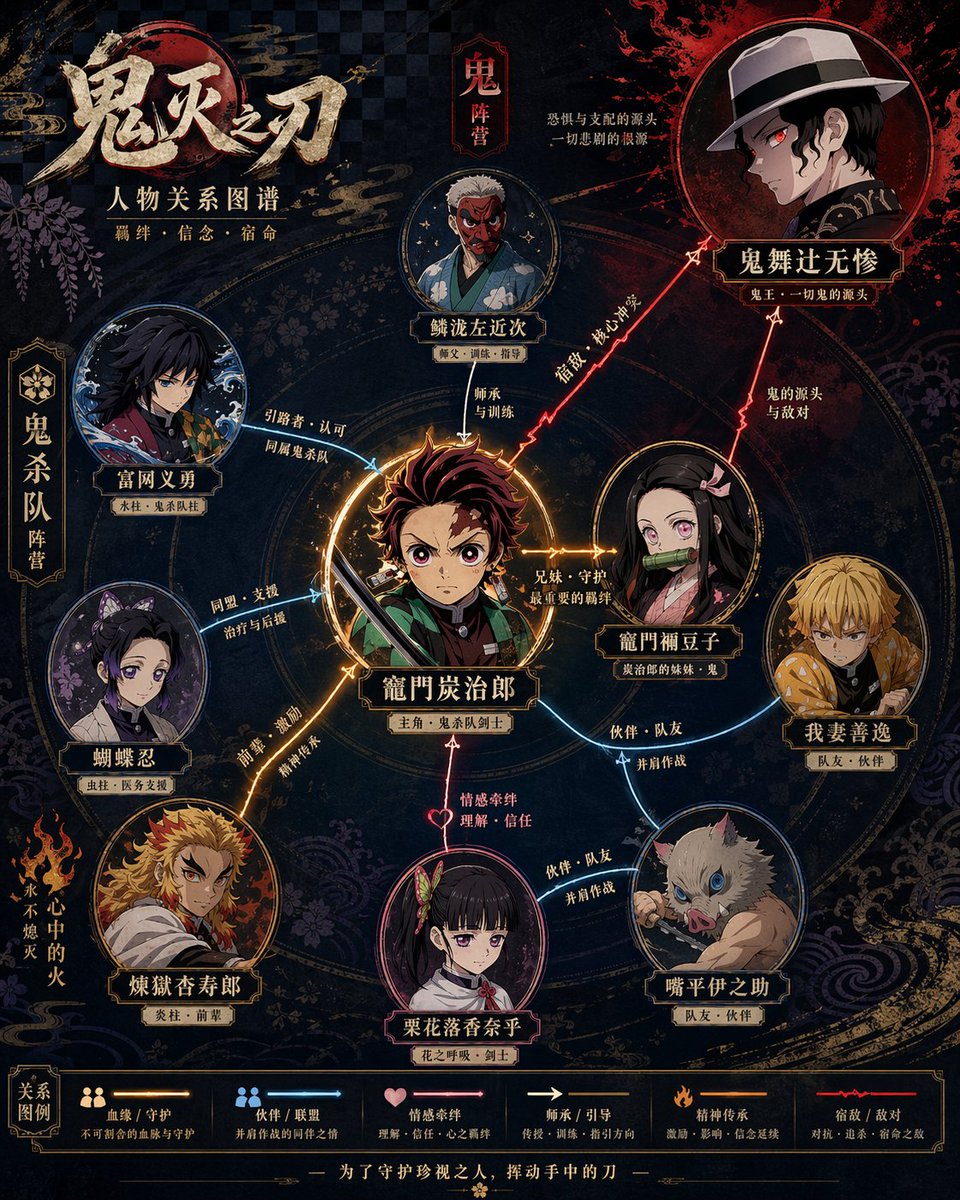
GPT Image 2
Anime Character Relationship Chart Generator
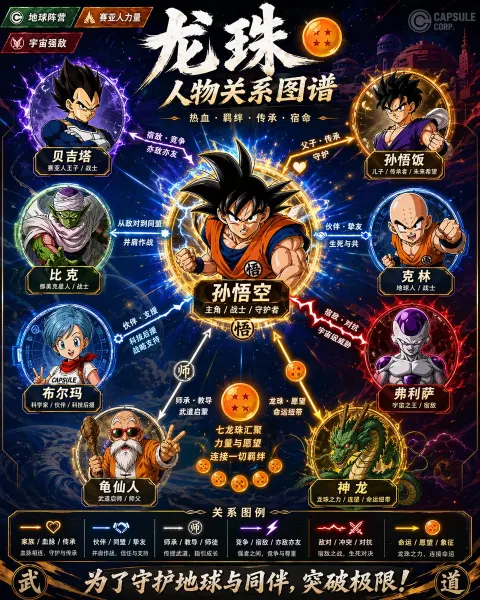
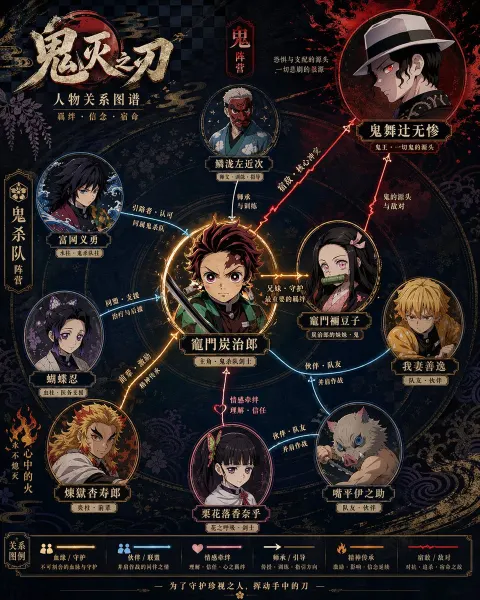
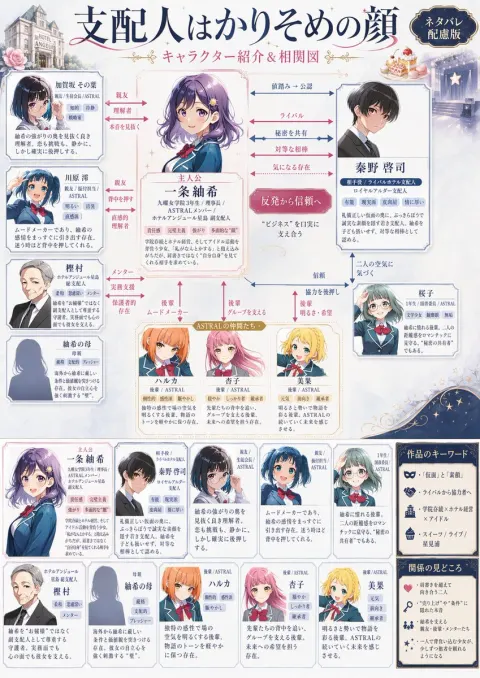
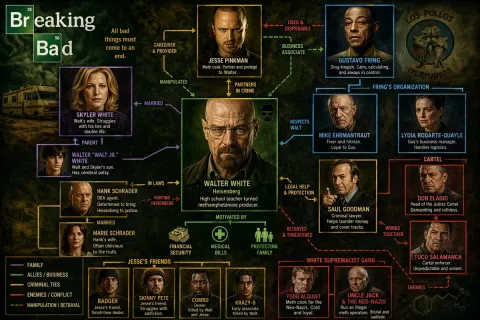
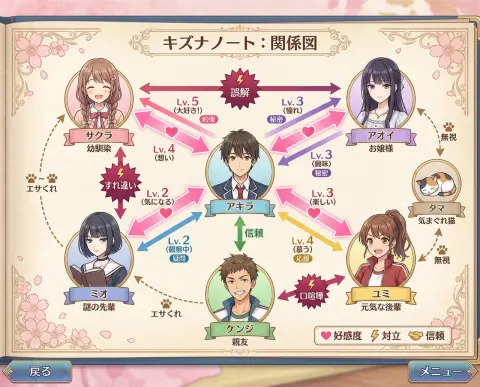
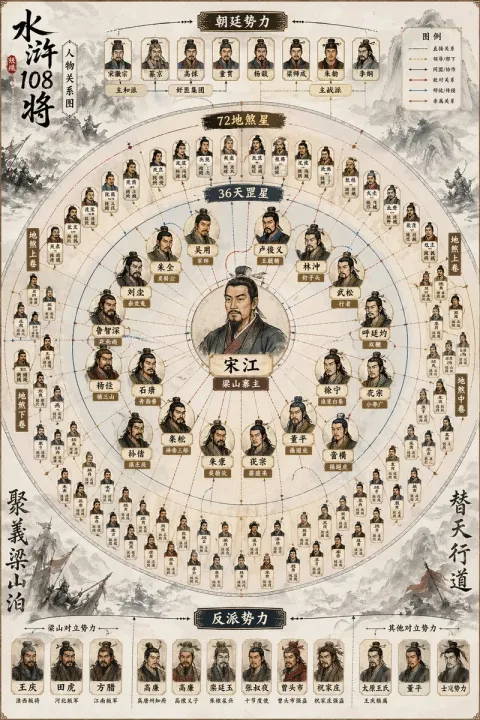
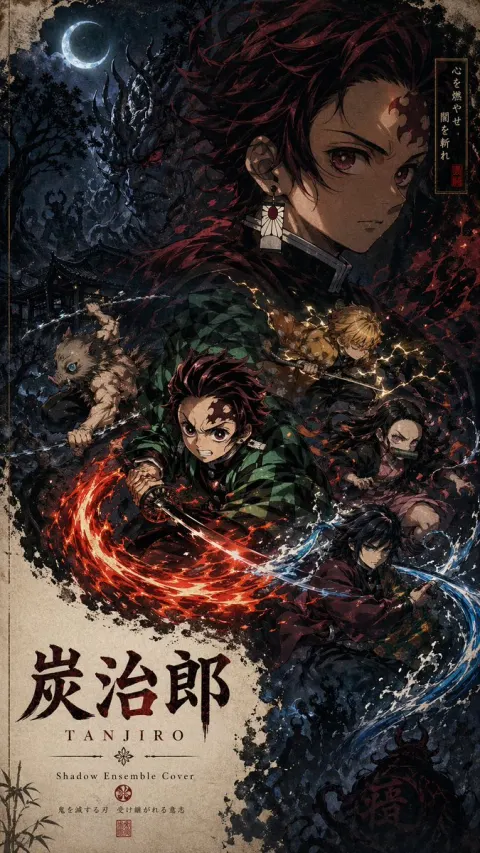
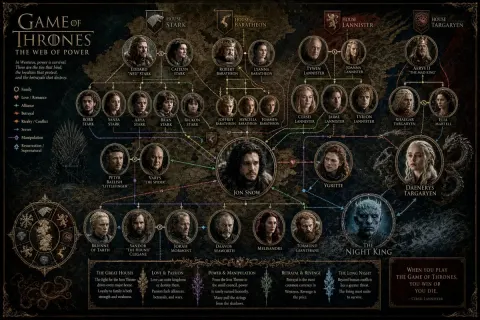
Please generate a highly designed character relationship poster based on Demon Slayer. This image was not an ordinary illustration, but a character relationship chart that combined information visualization, narrative structure, poster design, and style reproduction.

Please complete the following automatically:
- Identify the works corresponding to the theme and their core setting
- Select 6–12 of the most representative key figures, with no more than 15 if necessary
- Identify and showcase key relationships among key figures, including bloodline, love, friendship, alliance, hostility, master-apprentice, master-servant, manipulation, betrayal, secret relationships, and more
- Automatically selects appropriate composition styles based on the characteristics of the work, such as protagonist-centered style, dual-core confrontation style, faction division type, family lineage type, or time-evolution style
- Automatically extracts the style DNA of the work, including color, worldview symbols, material textures, emotional atmosphere, typography, and representative elements
- Transform these stylistic elements into the overall visual design of the character relationship chart, rather than simply copying an official poster
- Use different colors, line shapes, and arrows to distinguish different relationships, ensuring clear lines, distinct layers, and no clutter
- The core figure is the most prominent, followed by important ones, with secondary figures weakened to form a clear visual hierarchy
- Each character's name is clearly legible, and identity or faction tags can be added if necessary

The final product should meet the following requirements:
- Instantly grasp the primacy and key relationships of the characters
- It clearly has the original work atmosphere and a sense of setting
- Combines the clarity of infographics with the premium design feel of posters
- The image is uniform, refined, and complete, suitable for social media sharing or poster display
- Avoid cheap flowchart-like patterns, cluttered clutter, and information overload