GPT Image
Gazing Up Minimalist Movie Poster
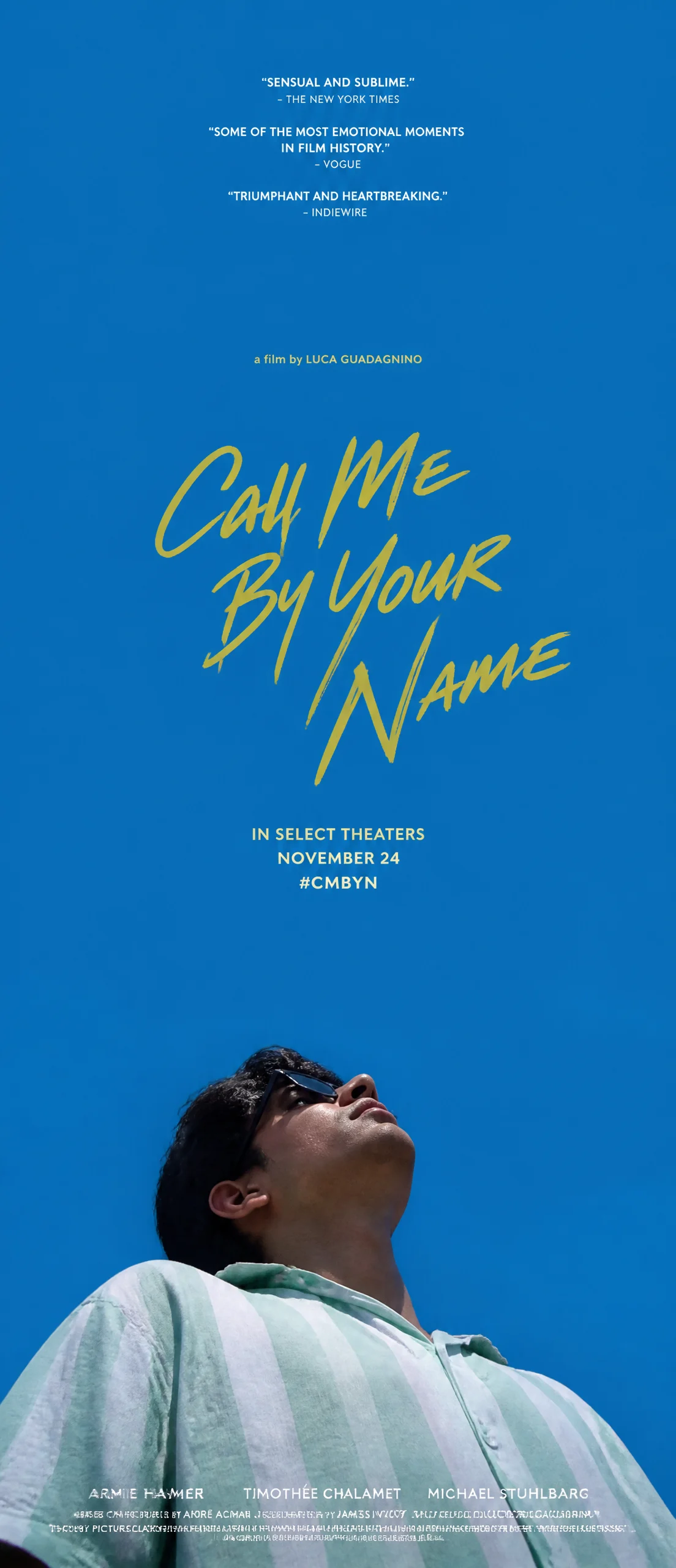
Title: Generating a movie poster-style portrait based on user-provided photos, with a core focus on using a vast pure color field to lift the subject leaning at the edge of the frame, each gazing up at the sky. The whole picture...

Prompt: Generate a movie poster-style portrait based on user-provided photos, with a vast, pure color field supporting the subject leaning at the edge of the frame, each gazing up at the sky. About three-quarters of the entire image is a clean, saturated, and purely monochromatic field, like a sky stretched infinitely far into the distance, creating a sense of openness, nostalgia, and summer-like blank breathing; The main subject occupies only about a quarter of the narrow strip on one side of the painting, giving most of the space to the open color field. Composition adapts to the frame: in vertical composition, the main subject forms a low horizontal line at the bottom of the frame, with the sky extending upward; When using a horizontal scroll, the main body is aligned vertically along one side of the canvas (such as the left side), with the open color field spreading widely to the other side (such as the right side), and the text falls into that empty space; Whether horizontal or vertical, the main body and text are always at opposite ends, with blank space taking the lead. The camera must be shot from a very low angle (insect perspective) from below: each character's head tilts back, chin raised, throat stretched, face facing the open color field above, gazing upward. The viewer mainly sees the outline of the jaw base and the profile or three-quarters profile—the character never faces the camera directly, never looks at eye level, does not create a formal ID portrait, and the gaze does not fall on the viewer but instead looks toward the sky above. Only the head, shoulders, and a small part of the upper body are exposed, with the lower edge naturally cropped along the edges of the painting.

The subject subject is not restricted by type; all subjects are based on the actual subjects that appear in the input photo. Their identity, quantity, type, and combination must strictly follow the original photo and correspond one-to-one; it is forbidden to proliferate, copy, reproduce, or add unnecessary subjects outside the frame. The key cuddling posture is leaning on each other rather than looking at the same place: each subject stands back-to-back, heads resting head-to-head, or one side leans the back of their head and head against the other's shoulder and neck, leaning in opposite or different directions. Each object tilts their head toward the sky on their own side, their gaze scattered toward the open field of color in different directions, rather than converging into one focal point; Each subject maintains a chin raised and looks upward, conveying an overall mood of cuddling, intimacy, and each lost in thought. Unless the user explicitly requests duplication or mirroring, do not duplicate the same face or object into multiple copies.

In the empty space away from the main subject, place handwritten title text with brushstrokes in flying white and slight links. The characters are casual, slightly slanted, and hand-drawn, arranged in two to three staggered lines. Using bright accent colors (bright yellow tones that can be slightly adjusted according to the theme's mood) create a warm contrast with the main color field, making the characters appear like a private signature floating in the air. The default title text is handwritten English "Call Me By Your Name," and is only replaced with user-specified content when the user provides custom text. The title position adapts to the frame: in vertical mode, it falls slightly above the middle of the empty field above; in horizontal mode, it falls in the center of the large blank space opposite the subject. Place a smaller line of fine, explanatory text above the title (default is "a film by ..." Style), place two to three smaller lines of accent color or uppercase white information lines below the title (default is "IN SELECT THEATERS / NOVEMBER 24 / #CMBYN" cinema releases and tag-style short phrases, user-customizable); The vertical version can also stack several lines of tiny white film review quotations at the top center, with a line of uppercase white lead actor names and a dense, low-key copyright information strip pressed along the bottom edge, forming a complete order of the movie poster's text.

The main color field defaults to the original's pure, saturated, slightly deep cobalt blue/sky blue—a clear summer midday sky blue, similar to #0A66AC (red is very low, green is centered, blue is higher), clearly leaning blue but not blue, not grayish, not purple, not pinkish-blue, nor dark blue or dark blue; The entire color is replaced only when the user specifies another theme color; after replacement, the same purity, saturation, and brightness relationship must be retained. The overall color role is: a single, large, pure, high-brightness color field dominates, a warm handwritten accent color (default light yellow) serves as the finishing touch, white text carries the message, and the character retains the true natural skin tone and clothing color. The painting is bright, transparent, clean, saturated without dirt, carrying a gentle atmosphere of openness and longing; Even if you choose a darker color field, keep the light clear, the gradations distinct, and the space breathable, avoiding gray, aging, stuffiness, dirtiness, or artificial aging. The visual weight is firmly focused on the contrast between the vast empty space and the subject looking up at the edges. The subject must never be enlarged to fill the entire frame, never be shot straight ahead, and must not lose the large blank space or the upward-looking divergent view.