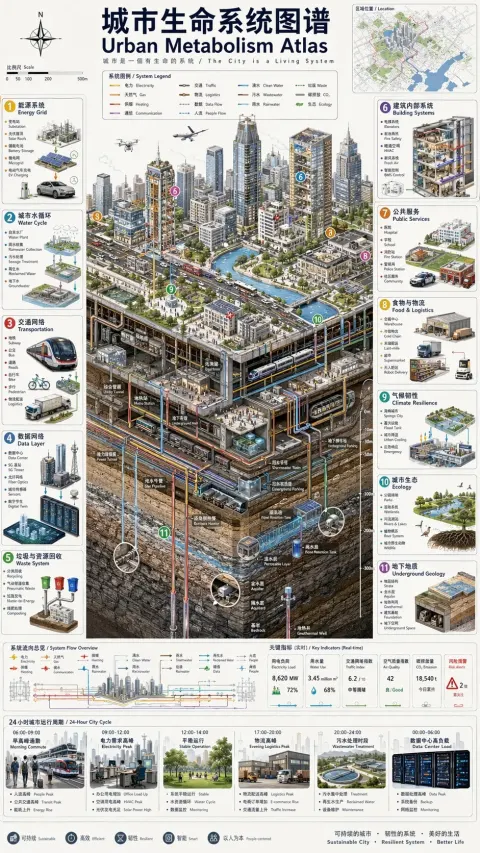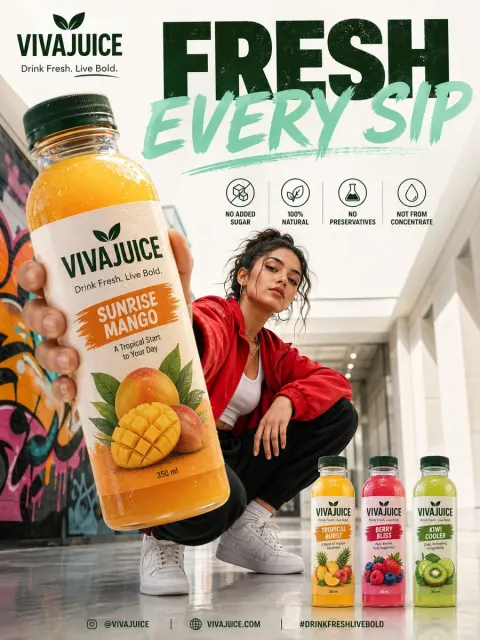
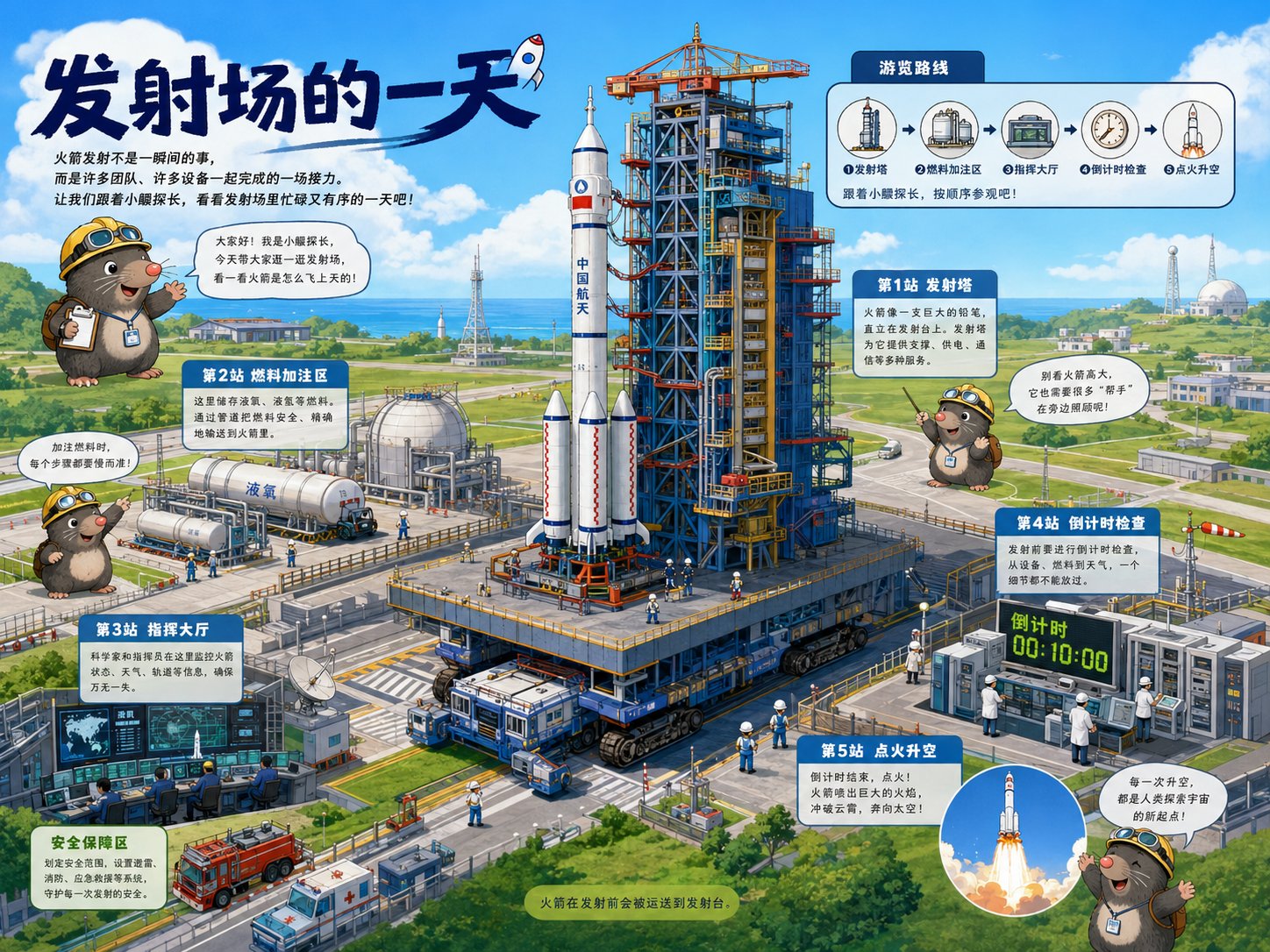
GPT Image
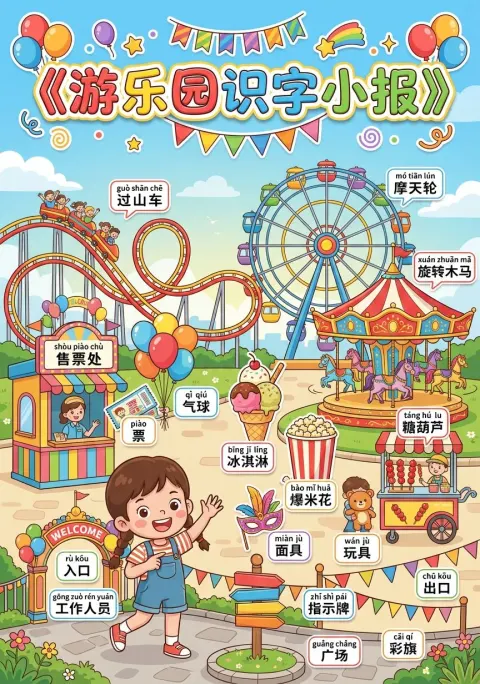
Guided Tour Science Picture Book
"Guided Tour Style Science Picture Book" prompt:

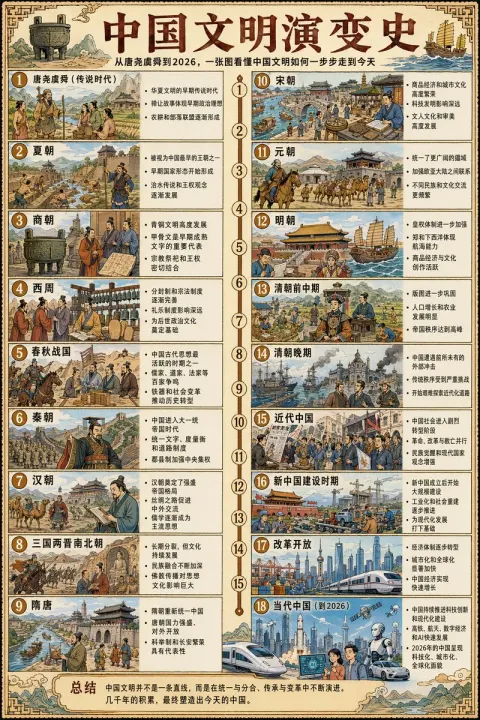
Please create a highly finished "guided tour style science picture book" illustration based on the [Theme].

This is a scene based guided tour style science infographic page that combines a "large scene main visual + a tour route + a cute guide IP + knowledge stops + the feel of a children's science picture book". The image should make viewers feel they are being led through a complex system, understanding the operating logic, spatial structure, process relationships and key knowledge points behind the theme as they look.

[Basic setup]
Theme: [Fill in the theme, for example a day at a launch site / the journey of a shipping container / the secret routes inside a subway station / one hour descending into the deep sea / how an airport works / a hospital emergency system / a smart farm / a fire station dispatch process]
Aspect ratio: [4:3 landscape]
Main color: [Automatically matched to the theme, keeping the whole bright, fresh and child friendly]
Style direction: [Modern children's science picture book / scene based guided tour infographic / highly finished digital illustration]

[Core expression]
Design a complete large scene or complex system around the [Theme]. The image must contain a clear main visual scene, for example a large facility, a transport system, technical equipment, a nature exploration scene, a public urban system or a production process. The subject must be clear enough, have a sense of scale and enough detail to become the visual center at first glance.

The information should be organized through a "tour route" rather than presenting the scene as a static display. Design a clear visiting route, process route, timeline or spatial flow so the reader can follow it step by step and understand how the system works.

[Guide IP design]
Design an original, cute and friendly little guide IP for this image. The guide IP can be a small animal, a child, an anthropomorphized tool or another original character suited to the theme, but it must be genuinely original: do not copy any character, animal, outfit, color scheme or partner relationship from any reference image.

The guide IP serves to:
1. Introduce the theme at the start
2. Point at key knowledge points
3. Lead the reader along the route
4. Add the companionship and fun of a children's picture book

The guide IP can appear 2 to 3 times in the image, but should not steal the main visual. The character should be rounded, cute, expressive and animated, suitable for a children's science picture book.

[Information structure]
Place 3 to 6 "knowledge stops" in the image, each expressed with a short Chinese label and a short explanation. Stops can be named in forms such as:
- 第1站|xxx (Stop 1 | xxx)
- 第2站|xxx (Stop 2 | xxx)
- 重点观察|xxx (Key observation | xxx)
- 小知识|xxx (Fun fact | xxx)
- 为什么|xxx (Why | xxx)
- 如何工作|xxx (How it works | xxx)

Every knowledge point should revolve around the core operating logic of the theme, with no vague filler. The text should be short, clear and natural, avoiding long paragraphs and suitable for children to read.

[Image modules]
The whole image should contain the following modules:
1. Top main title area: clearly state the name of the theme
2. Opening tour area: the guide IP introduces the theme
3. Large main scene area: show the complete scene of the system
4. Tour route area: link the knowledge points with arrows, dotted lines, paths, time markers or process lines
5. Knowledge stop area: present key knowledge with small information boxes, tour signs and local annotations
6. Encyclopedia / tip area: add one interesting extra fact
7. Closing area: let the guide IP give a short summary or send off

[Composition requirements]
Use a 4:3 landscape composition, so the whole image looks like a spread from a high quality children's science picture book and also like a guide map in a children's science museum. The image needs a clear visual center: the large main scene takes up most of the space, the tour route runs through the image, and the knowledge modules are distributed naturally around it. The information should be rich but never cluttered, and the reading path must flow smoothly.

[Visual style]
Use a modern children's science picture book style:
- Bright, fresh, clean colors
- Clear, natural hand drawn linework
- Highly finished digital illustration quality
- Rich detail but well ordered
- Cute without being babyish
- The feel of a science diagram
- The feel of a tour map
- Scenes that are believable, expressed in a friendly way

[Text and labels]
Text is mainly in Chinese, using short titles, short labels and brief explanations. Do not generate long, complex blocks of text. Information boxes should look like the tour signs, knowledge cards or tips found in children's science books. The text should be as clear, concise and legible as possible.

[Final goal]
Make the whole image feel like a page from a high quality children's science picture book: at first glance a child is drawn in by the cute character and the big scene, at second glance they can follow the route and understand how the system works, and at third glance they can keep discovering details and knowledge points. The image should have series potential, so different themes can easily be swapped in to keep creating images of the same type.