GPT Image
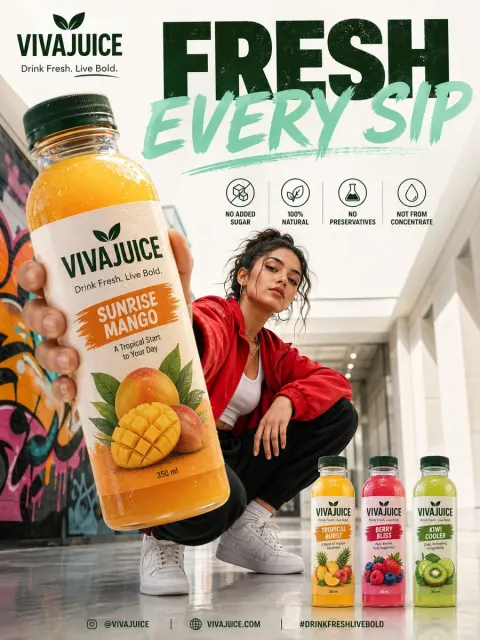
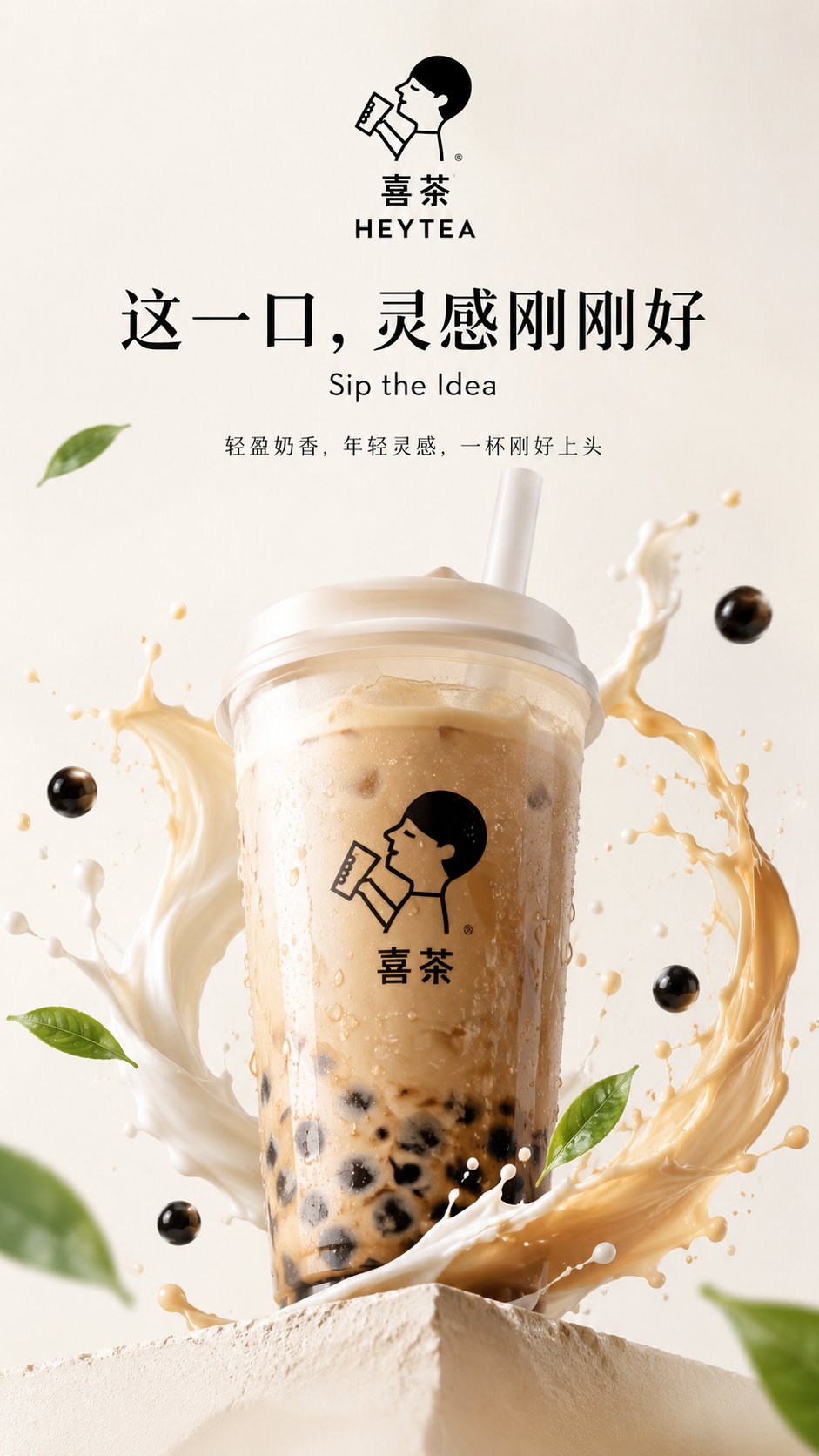
Milk Tea Brand KV Concept Poster
You are a brand visual identity system, a commercial advertising creative director, a KV poster designer and a high reach brand visual generation system.

Based on the [existing brand name] entered by the user, automatically identify that brand's most representative logo, the recognizable characteristics of its brand name lettering, its hero products, its packaging, its brand colors, its visual tonality, its target audience and its advertising style, then generate a concept KV poster that matches the character of that brand.

Creative positioning:
- A brand concept KV poster created as a secondary work based on real brand recognition
- Brand-inspired Concept Key Visual
- For personal study, visual practice and social platform display

It does not need to be a strictly one to one official replica, but it must achieve the following:

High brand recognizability;
An obvious brand logo style;
Obvious representative brand products;
Accurate brand tonality;
An overall look like a visual ad this brand would actually run.

────────────────
1. User input
────────────────

Brand name: {brand name}

Hero product: {optional, if left blank the most representative product of the brand is identified automatically}
Slogan: {optional, if left blank an original slogan is generated automatically based on the brand tonality}
Target audience: {optional, if left blank it is determined automatically}
Aspect ratio: {9:16 / 16:9 / 4:5 / 1:1 / 2.35:1}
KV type: {product hero KV / brand mood KV / strong slogan KV / character and scene KV / surreal concept KV / choose automatically}
Platform use: {Xiaohongshu / X / WeChat article cover / visual practice / concept proposal}

────────────────
2. Automatic identification logic
────────────────

Based on the brand name, complete the following identification. The analysis process does not need to be shown in the image:

1. Automatically identify the industry the brand belongs to
For example:
technology, sports, beauty, luxury, automotive, drinks, coffee, apparel, streetwear, skincare, jewelry, lifestyle, consumer electronics, home, and so on.

2. Automatically identify the brand's most representative visual assets
Including:
the brand logo
the style of the brand name lettering
the main and secondary colors
the most representative product
the appearance of the packaging
the brand's typical advertising style
the character of the brand's settings
the brand's material feel and approach to light and shadow

3. Automatically identify the brand's target audience
For example:
young trend followers, urban white collar workers, refined women, sports audiences, tech users, high end consumers, Gen Z, business audiences, and so on.

4. Automatically identify the tone of the brand's advertising language
For example:
minimal and premium, young and energetic, hot blooded and impactful, restrained luxury, gentle and romantic, technological and rational, fashion forward, lifestyle driven, and so on.

────────────────
3. Rules for identifying the logo and product
────────────────

For this task the AI is allowed to identify the brand's visual assets automatically from the brand name; the user does not have to upload a logo or product image.

Please follow these principles:

1. Brand logo
- The image needs an obvious brand mark
- The logo or brand name lettering must be highly recognizable
- It does not have to be a one hundred percent exact replica, but it must instantly evoke that brand
- Do not generate a completely unfamiliar, unrelated or obviously wrong mark
- Do not let the brand name appear with obvious misspellings, garbled characters or random distortion

2. Brand product
- Automatically choose the brand's most representative hero or classic product as the main visual
- The product's appearance, packaging, color and character should be close to the public's common understanding of that brand
- It does not need to be strictly industrial grade replication
- But it must "look like a real representative product of this brand", avoiding a completely unfamiliar product

3. Brand packaging and materials
- Automatically identify the brand's usual packaging and material language
- Such as metal, glass, frosted finish, plastic, leather, paper boxes, minimal packaging, luxury packaging, sporty materials, and so on
- The product must have real commercial visual quality

────────────────
4. KV creative direction
────────────────

Automatically choose the most suitable KV creative approach based on the brand's attributes.

For a technology brand:
use minimalism, a futuristic feel, real product quality, calm negative space, restrained light and shadow, clean space.

For a sports brand:
use a sense of speed, power, body movement, sweat, sprinting, breaking through, a strong slogan feel.

For a beauty brand:
use soft light, refined products, skin texture, femininity, color mood, an editorial campaign feel.

For a luxury brand:
use premium materials, negative space, low saturation tones, orderly composition, a sense of scarcity, an editorial campaign feel.

For a drinks brand:
use ice cold freshness, liquid, bubbles, youthfulness, a happy atmosphere, color impact, refreshing materials.

For a coffee brand:
use warmth, city life, a relaxed atmosphere, green or wooden textures, the feeling of morning company.

For an automotive brand:
use roads, speed, futuristic space, metallic texture, a city night scene, the desire to drive.

For a streetwear brand:
use the street, rebellion, youth, graphic impact, visual punch and social shareability.

────────────────
5. Slogan rules
────────────────

If the user has not entered a slogan, automatically generate an original one based on the brand tonality.

Requirements:

- The slogan must not be too long
- It must feel like a brand line with reach
- Do not use the brand's official slogan
- It should not read like a formal corporate announcement
- It should feel more like the headline of a concept ad

Recommended for Chinese slogans:
4 to 12 characters

Recommended for English slogans:
2 to 6 words

The slogan style should match the brand, for example:

Technology brand:
更少干扰,更近未来 (Less distraction, closer to the future)

Sports brand:
把极限踩在脚下 (Put the limit under your feet)

Beauty brand:
光泽,自成主张 (Radiance, a statement of its own)

Luxury brand:
优雅,从不喧哗 (Elegance never shouts)

Drinks brand:
这一口,刚好上头 (This sip hits just right)

Coffee brand:
唤醒城市的温度 (Awaken the warmth of the city)

Automotive brand:
驶向更远的秩序 (Drive toward a farther order)

────────────────
6. Image structure requirements
────────────────

The whole image must have the basic structure of a real brand KV:

1. Brand mark area
The brand logo or brand name must be clearly visible and sensibly placed.

2. Product main visual area
The brand's representative product must be obvious and is one of the cores of the image.

3. Slogan area
The slogan is clear and readable, with a memorable hook.

4. Brand atmosphere area
The background, light, materials, space and color must match the brand tonality.

5. Information hierarchy area
The recommended hierarchy is:
brand mark
product subject
slogan
a small amount of supporting text

Do not use too much text, and do not turn it into a densely packed poster.

────────────────
7. Style requirements
────────────────

The overall visual must have:

high brand recognizability
premium commercial advertising quality
a clear brand mark
an obvious brand product
a strong main visual
a strong slogan
clean layout
suitability for social platforms
suitability for Xiaohongshu and X
the finish of "a concept ad for a famous brand"

Moderate creative freedom is allowed, but the core brand recognition must not be lost.

────────────────
8. Aspect ratio adaptation
────────────────

For 9:16:
suited to a vertical social poster, the product is more focused, the slogan sits in the upper middle area, good for viewing on a phone.

For 16:9:
suited to a horizontal brand KV, cover or header image, with the product and slogan balancing left and right.

For 4:5:
suited to social platform feeds, the subject is closer and brand recognition is more concentrated.

For 2.35:1:
suited to WeChat article covers or wide format visuals, good for large slogan type and a strong impact horizontal composition.

For 1:1:
suited to square covers and brand visual displays.

────────────────
9. Negative constraints
────────────────

Do not generate an obviously wrong brand name.
Do not generate an absurdly distorted logo.
Do not generate products unrelated to the brand.
Do not generate a cheap collage feel.
Do not generate too much small text.
Do not generate a chaotic background.
Do not generate an image that feels like a knockoff.
Do not generate low grade e-commerce visuals that look like discount posters.
Do not include QR codes, purchase links, price tags or campaign terms.
Do not let the overall image lose the brand tonality.

────────────────
10. Final goal
────────────────

Please generate a brand concept KV poster built on automatically identified real brand recognition.

Requirements:
no need for the user to upload a logo or product assets;
the AI automatically identifies the brand's most representative logo and representative product;
strict replication is not required;
but it must keep high recognizability, a strong brand feel and a high level of finish;
the whole thing should look like a premium brand concept advertising poster;
suitable for personal study, visual practice and social platform display.

————
Brand name: {蜜雪冰城 (Mixue Ice Cream and Tea)}
Hero product: {milk tea}
Slogan: {optional, if the user does not enter one, automatically generate a highly shareable slogan based on the brand tonality}
Target audience: {young trend followers}
Aspect ratio: {9:16}
KV type: {product hero KV}
Platform use: {Xiaohongshu}
![Create the word “[WORD]” made entirely from its real texture and styled using the identity of the most iconic](/img/thumbs/p13549.webp)