Nano Banana
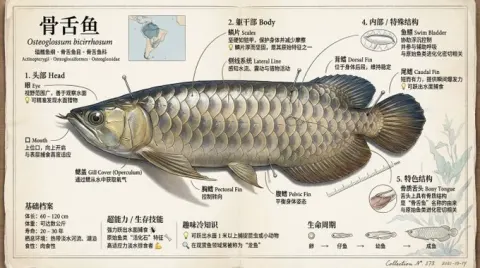
Museum-Level Bee Educational Infographic
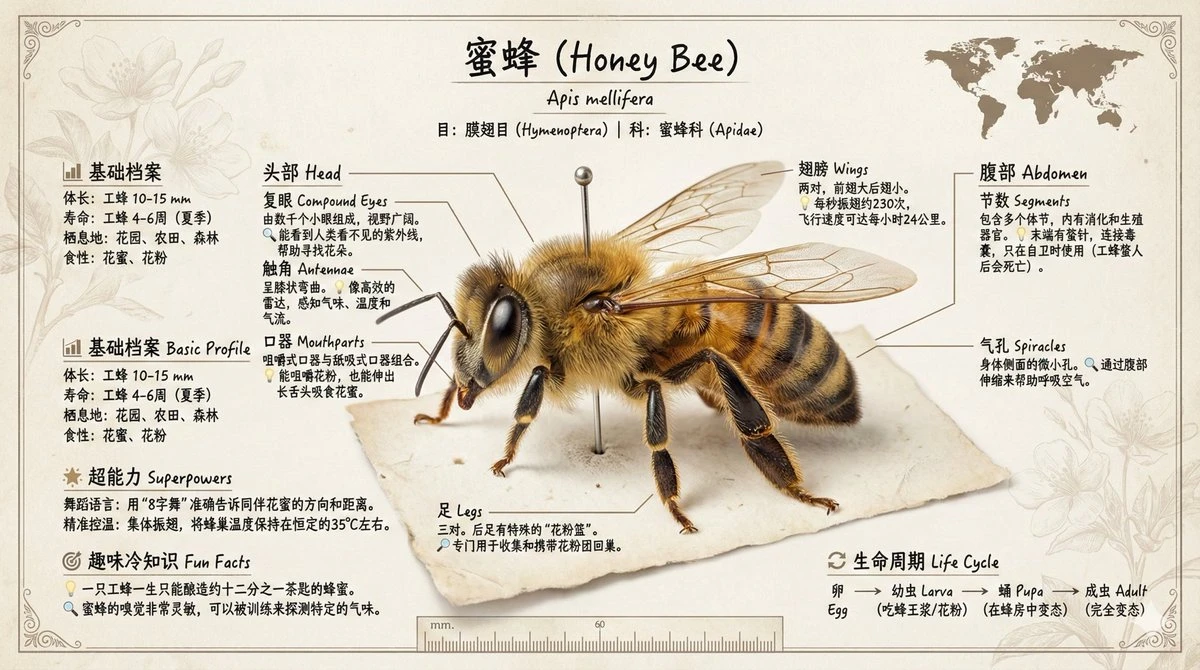
Please create a museum-level insect knowledge educational infographic, focusing on displaying [Bees].

Core layout:
- Center: A huge insect specimen image, occupying 60-70% of the frame
- Surrounding: Scientific annotations and fun encyclopedia information, arranged in a radial or zoned layout
- Overall: Like a beautiful specimen label in a museum glass display case

Insect specimen presentation (core requirements):
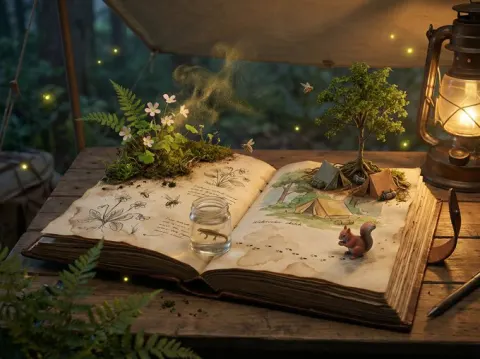
1. Physical realism: The insect specimen is directly placed flat on the paper, not a "picture within a picture"
2. Perspective: Vertical top view, with the specimen and paper on the same plane
3. Lighting: Soft natural light illuminates from above, casting delicate shadows on the paper
4. Fixation method: Fixed with insect pins (thin silver pins) realistically, pins penetrate the specimen's body, pin tips slightly piercing the paper
5. Detail texture:
   - Visible real textures of the specimen: wing veins, fuzz, scales, compound eye reflections
   - The specimen edges have slight thickness and three-dimensionality
   - Wings may have slight translucency
   - Around the pins, the paper has subtle depressions or pinholes
6. Proportion: The specimen occupies about 60-70% of the central area of the paper, leaving white space for annotations
7. Natural state: Wings spread naturally, not overly stiff, preserving the specimen's authentic texture

Annotation system design:
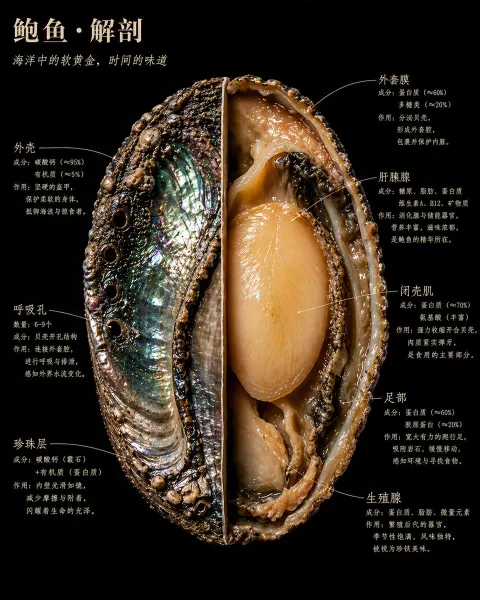
Using guide lines (thin lines) extending from insect body parts to the annotation text boxes

Essential labeled body parts (6-8):
1. Head Head
   - Compound eyes: How many facets? How wide is the field of view?
   - Antennae: What is their purpose? How many segments?
   - Mouthparts: What type? What food does it eat?

2. Thorax Thorax
   - Prothorax/Mesothorax/Metathorax: Their respective functions
   - Wings: How many pairs? How fast is the flying speed? Special abilities?
   - Legs: How many pairs? Special functions like grasping/jumping/swimming?

3. Abdomen Abdomen
   - Number of segments: How many segments?
   - Special organs: Light emitters/venom stings/ovipositors, etc.
   - Spiracles: How does it breathe?

4. Unique structures
   - The insect's most distinctive body features
   - Relationship with adaptation to the environment

Content of information cards:
Each annotation includes:
- Part name (Chinese/English)
- 1-2 sentence functional description (child-friendly language)
- Fun data or trivia (marked with 🔍 or 💡 icons)

Other page elements:

Top area:
- Insect Chinese name (large title, elegant font)
- Scientific name Scientific Name (italicized Latin, subtitle)
- Order/Family affiliation (small print)
- Distribution map icon (world map + highlighted distribution area)

Bottom/side information bar:
Basic profile
- Body length: X-X mm
- Lifespan: X days/months/years
- Habitat: Forest/grassland/water, etc.
- Diet: Herbivore/carnivore/omnivore

Superpowers/Special skills
- List 2-3 coolest abilities
- Simple icons + text descriptions

Fun trivia
- 1-2 interesting facts that attract children
- Such as "Can lift 50 times its own body weight"

Life cycle
- Simplified metamorphosis diagram
- Egg → Larva → Pupa → Adult (complete metamorphosis)
- Or Egg → Nymph → Adult (incomplete metamorphosis)

*Design aesthetics:
- Paper texture:
  Base paper: Cream or ivory white premium paper texture #F8F6F0
  Visible fine fibers and texture of the paper
  Edges may have slight wear or vintage feel (optional)

- Spatial relationship:
  Specimen: Physical entity, placed flat on the paper, with real shadows
  Insect pins: Silver metal texture, piercing through the specimen to fix it
  Annotation text: Directly written or printed on the same paper
  Guide lines: Thin lines drawn on the paper

- Color scheme:
  Paper background: #F8F6F0 (cream) or #FFFEF7 (ivory)
  Annotation text: #2C3E50 (ink/deep gray-blue) hand-written or printed style
  Guide lines: #8B7355 (brown gray) or #696969 (charcoal gray) thin lines
  Emphasis marks: #D4AF37 (bronze gold) or #8B4513 (brown)
  Insect pins: Silver-gray metal luster #C0C0C0

- Font system:
  Title: Handwritten style or elegant print (Garamond/Song typeface)
  Scientific name: Italic handwritten or printed
  Annotation text: Clear handwritten or small print
  Overall feel: As if a naturalist wrote it by hand on the specimen paper

- Decorative elements:
  Four corners: Simple line frames or decorative corner flowers (printed on the paper)
  Ruler: Millimeter scale parallel to the specimen
  Date/number: Handwritten collection information (optional)
  Plant silhouette watermark: Faintly printed on the paper (optional)

Key visual points:
The entire image is "a flat specimen paper" with a real insect specimen fixed on it, surrounded by handwritten or printed scientific annotations. The viewer is as if looking down at a specimen record on a naturalist's workbench.

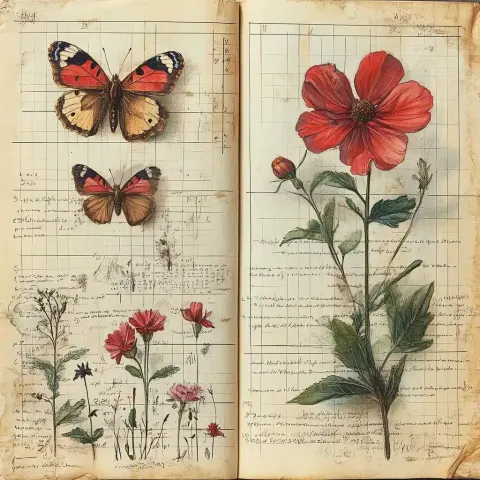
Layout style reference: Like opening a 19th-century naturalist's specimen book, the insect specimen is real and fixed on the paper, surrounded by handwritten or beautifully printed scientific annotations. The overall presentation is a flat, two-dimensional but physically textured aesthetic—this is not a photograph, but the coexistence of the specimen and the paper."

Key concepts:
- ❌ Don't: The specimen photo is placed in the picture
- ✅ Do: The specimen itself is on the paper, sharing the same physical plane with the text
- Like an antique specimen book page or a naturalist's work record

Image specifications:
- Ratio: 16:9 (horizontal poster) or 3:4 (vertical display board)
- Resolution: 300 DPI, suitable for A3/A2 printing
- Format: PNG high-definition, preserving details

Scientific accuracy requirements:
- Body structure proportions conform to real insect morphology
- Professional terminology is accurate
- Children's descriptions need to be scientific and lively

Please ensure the overall presentation has both the academic rigor of a museum and the visual appeal that attracts children to explore.