Nano Banana
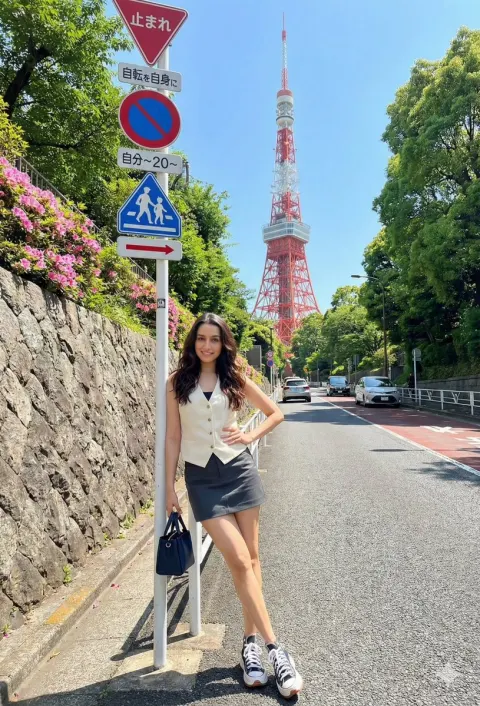
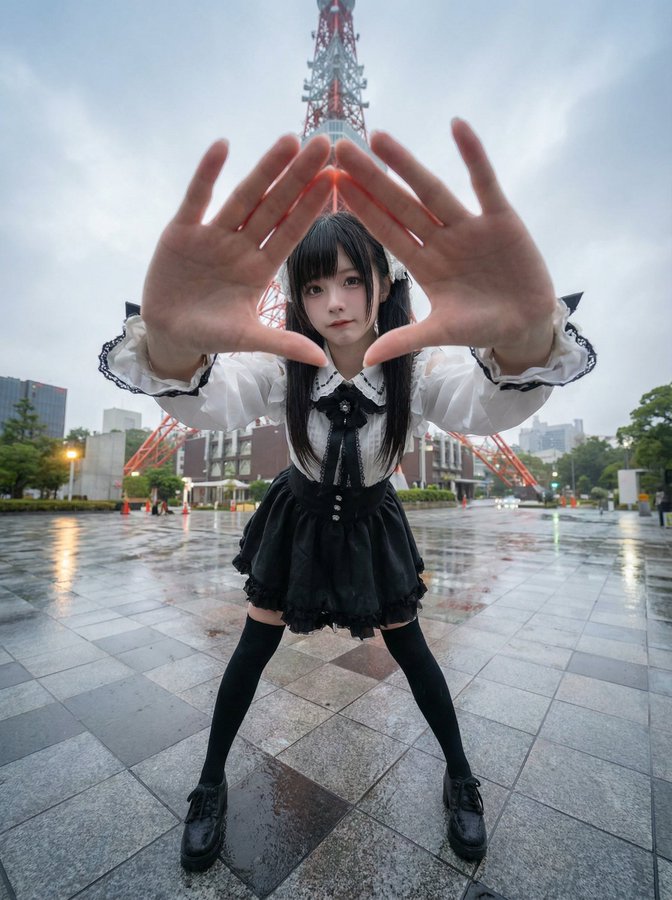
Tokyo Tower Bold Street Fashion Grid
At the location of Tokyo Tower, images are created based on the current local time atmosphere and real-time weather. Please let the designated character tour the location to blend into the scene.

Generation screen:
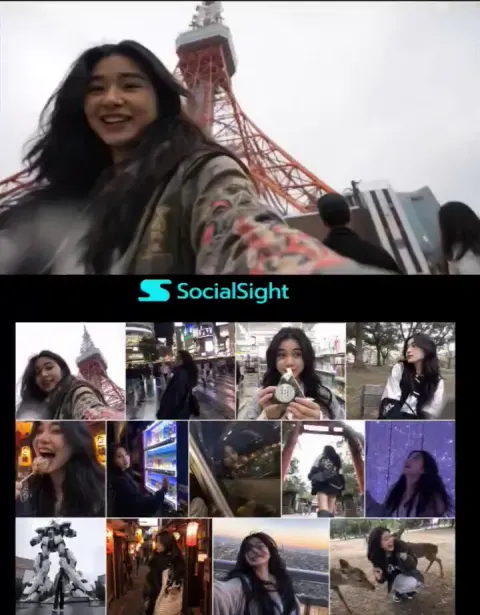
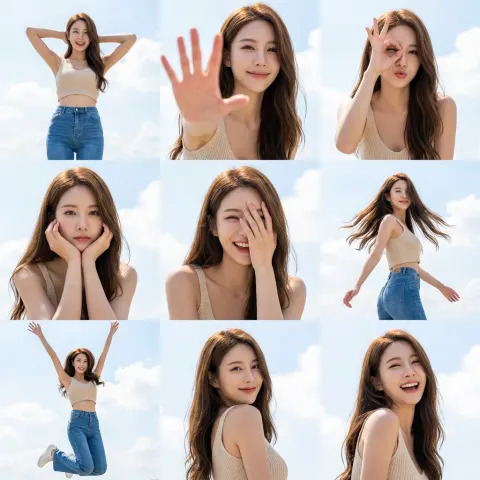
Generates a single image with a vertical 3:4 ratio, with a fixed nine-grid layout in three rows and three columns, each frame serving as an independent shot.

Camera and Viewpoint:
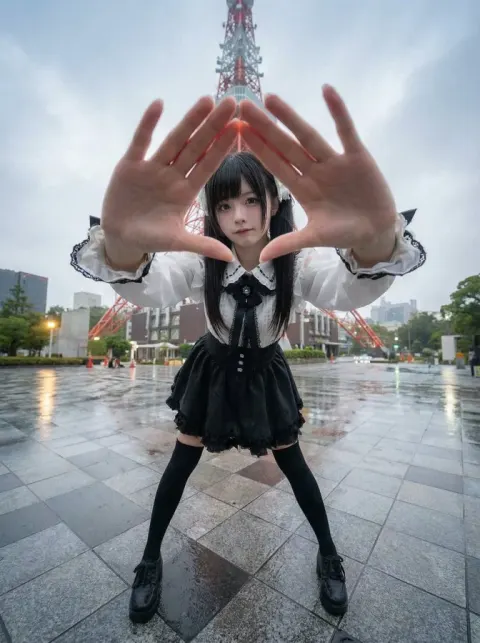
– Use ultra-wide or fisheye lenses (approximately equivalent to full-frame 12–18mm viewing experience)
– The camera angle must differ significantly from the original image. Exaggerated angles that can be used include:
• A top-down view from directly below
• Top-down view from directly above
• Ultra-low aircraft positions close to the ground
• High camera position from top to bottom
• Tilted "Dutch angle" composition
– Always create a strong perspective shortening effect: the body closest to the lens appears large, while the rest of the body extends farther in perspective
– The final result must look like a bold fashion or street style photo, completely realistic, not in an illustration or anime-style style

Body parts close to the lens (1–2, sometimes 3):
– In each edited image, select one or two main body parts that are extremely close to the camera (in more complex poses, sometimes three)
– Vary these parts between different images; don't always stay close to the same spot near the lens
– Body parts that can be approached by the camera include:
• One or both hands/fingers extended toward the camera
• One or both feet / shoes / boots close to the camera
• Knees or thighs
• The face is very close to the camera
• Close to the camera shoulder or chest in a forward-leaning posture
– The selected body parts should be extremely close to the camera, almost touching it, allowing clear view of skin textures, fabric textures, and genuine wide-angle distortions

Posture and overall body (complex and varied):
– Create intense, cool, and dynamic poses that match the extreme perspective
– Randomly use different types of postures, including:
• In a standing position, extend one leg or one hand toward the camera
• Squat down or half-squat on the ground
• Sitting on the ground or on an object
• Lie flat on the floor with legs or feet facing the camera
• The body leans forward significantly toward the camera
• Twist your torso, cross your legs, or arch your back to create a more dynamic body line
– Allows for the use of complex postures, such as:
• Both hands close to the camera and making gestures (bier, triangle, framing with fingers, pointing at the viewer, etc.)
• Both feet point toward the camera
• One hand and one foot simultaneously serve as large elements in the foreground
• The face is close to the camera, and hands or feet also appear in perspective
– Even under extreme shortening of perspective, maintain a reasonable and trustworthy human anatomy

Camera Position and Attitude (Randomization):
– Randomly changes camera angle and orientation (upward, downward, sideways, tilted composition) while maintaining visual balance and impact
– Keep your temperament cool, composed, confident, leaning towards fashion shoots or street style, specifically following your original outfit style
– Facial expressions can vary (serious, playful, confident, mysterious, etc.), but they must always look the same person

Lighting and Image Rendering:
– Maintain real shadows and contact with the floor/floor
– High resolution and clear details, allowing you to see skin textures, fabric textures, and material highlights

Variation and randomness:
– Each small image should be clearly distinguished from others, maintaining diversity in the following aspects:
• Camera angle
• Types of postures
• Which body parts are closest to the camera
• Composition direction (forward, tilted, top-down, upward, etc.)
– Avoid repeatedly using the exact same "one-foot close-up" composition; instead, present a rich variety of dynamic poses and camera position changes

Strict rules:
– Don't swap out the characters for someone else
– Do not change the type of clothing; You can only change your expression through posture, perspective, and the natural movement of your clothes
– Do not move the scene to locations outside the specified latitude and longitude; Always maintain a reasonable extension range within the specified latitude and longitude location
– Do not add text, logos, watermarks, or graphic design elements
– Do not change to oil painting, illustration, or anime style; Photo-level realism must be maintained