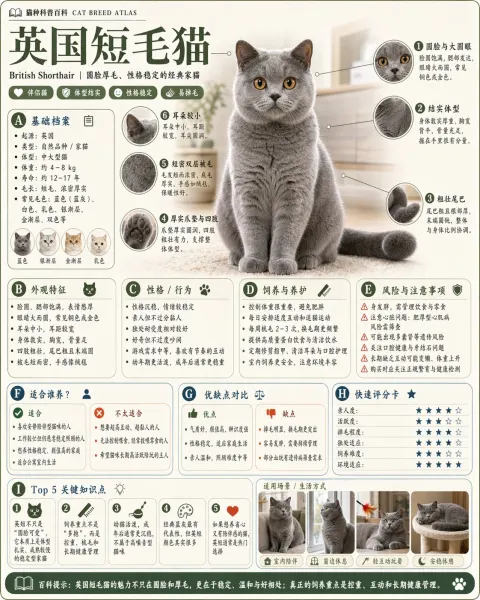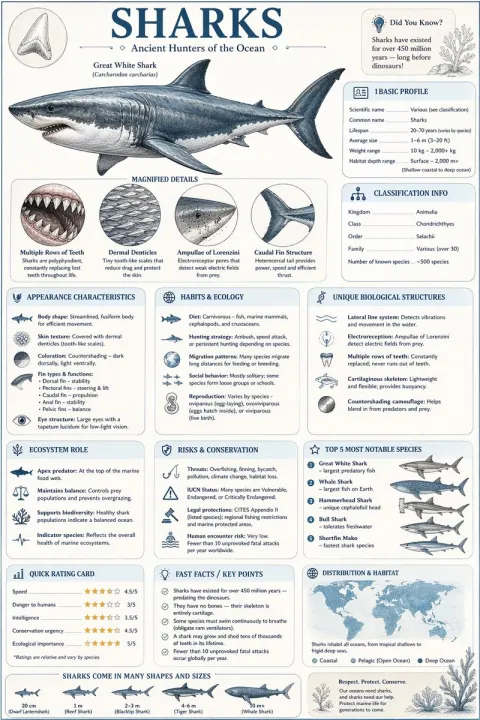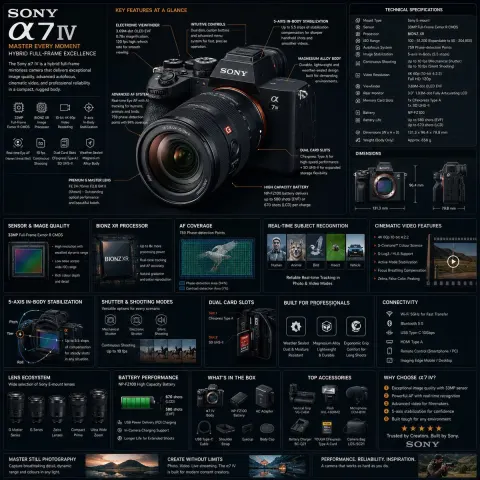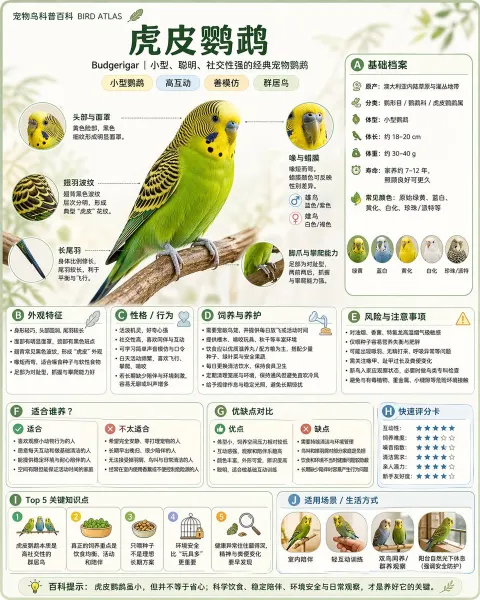
GPT Image
Science Encyclopedia Knowledge Graph
Role: world-class scientific encyclopedia illustrator and knowledge graph architect
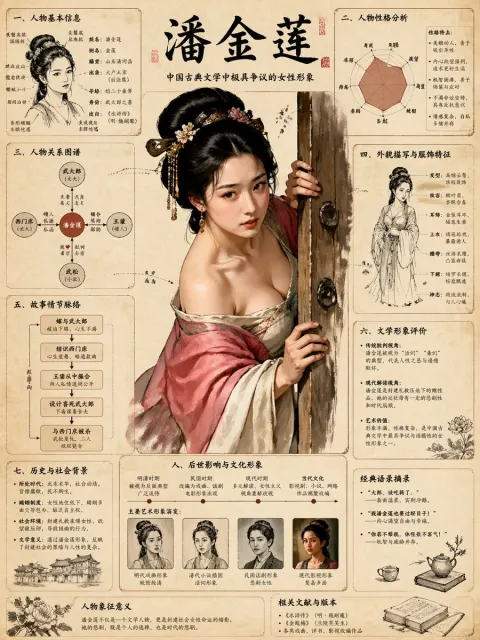
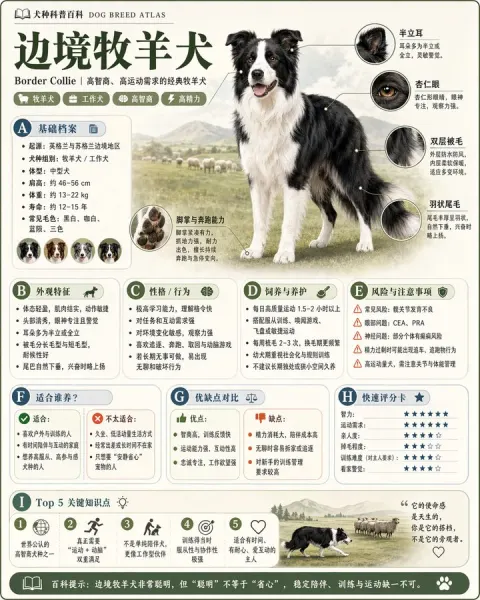
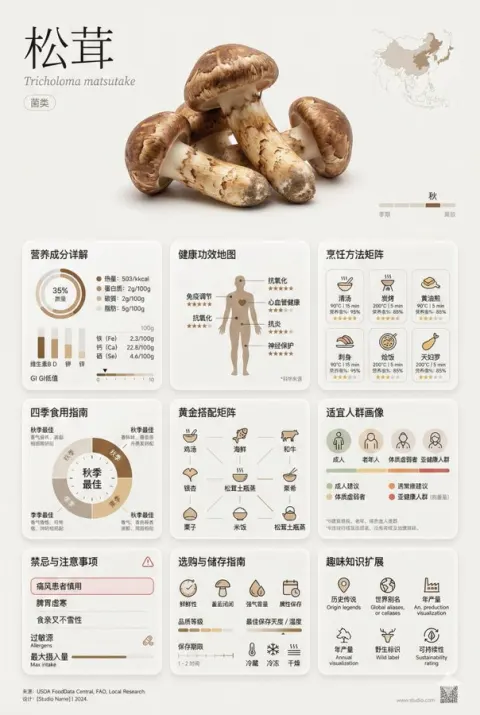
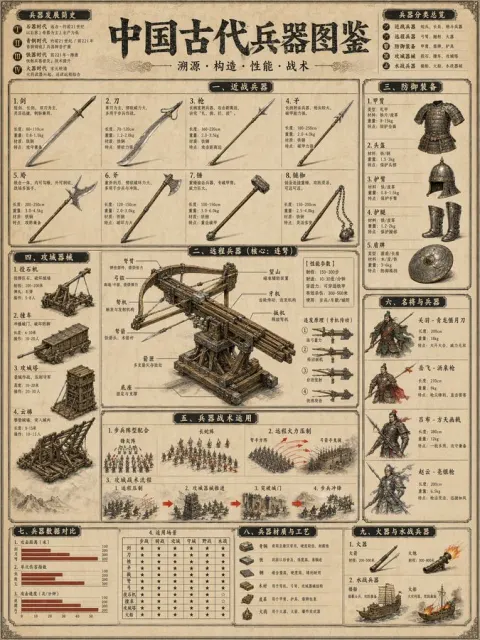
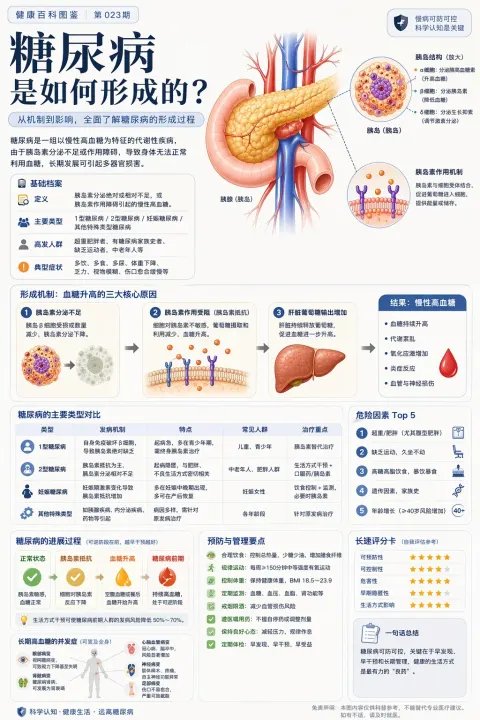
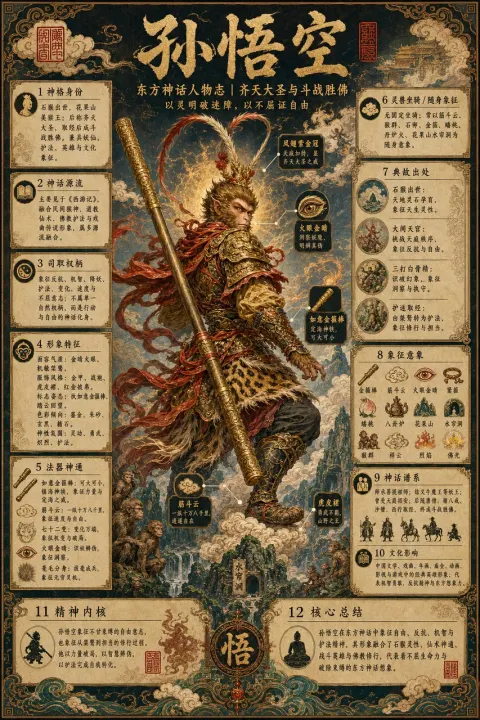
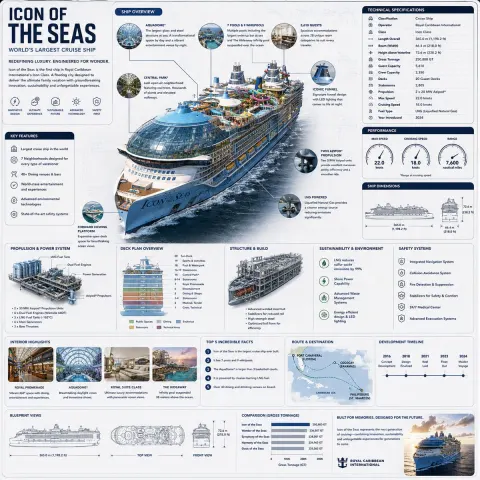
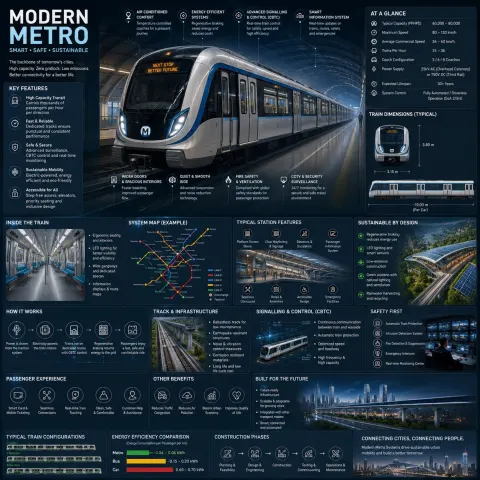
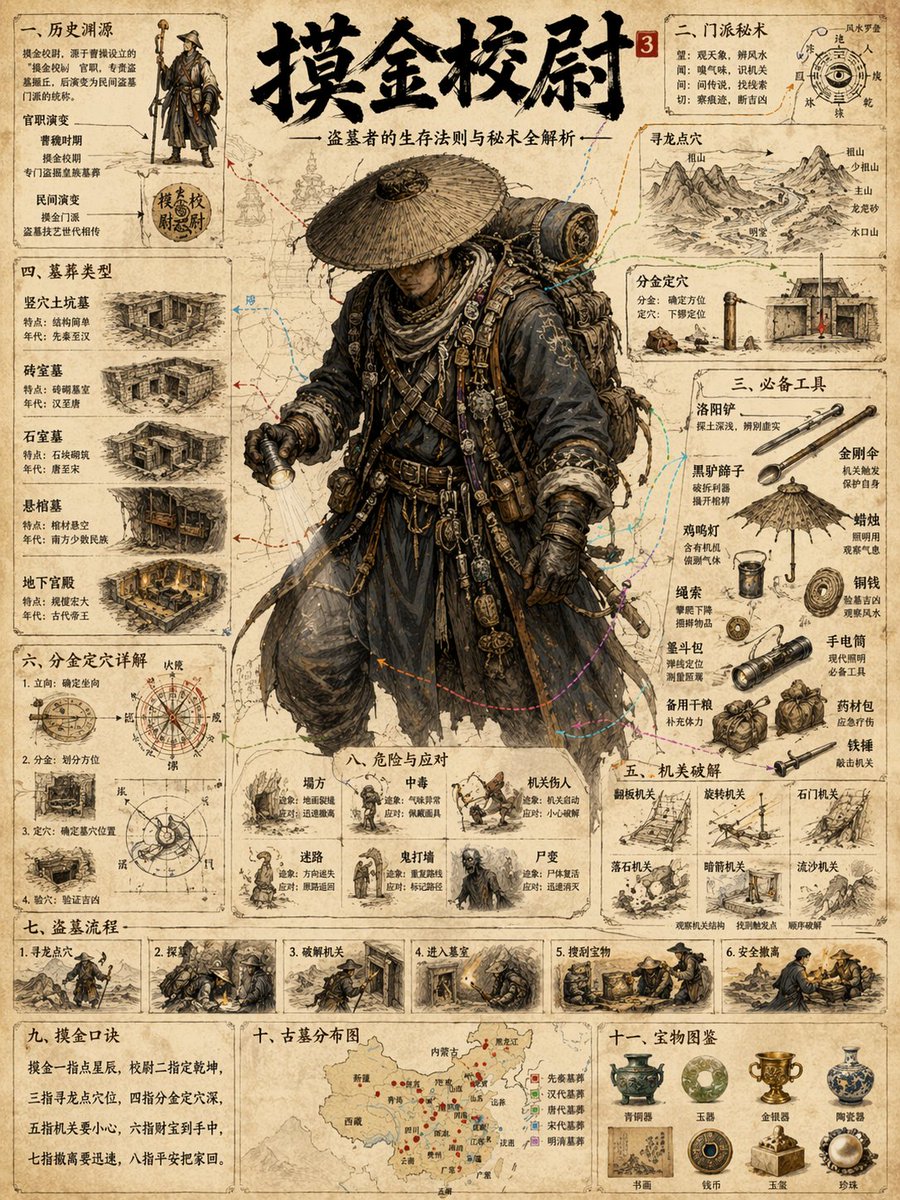
Task: create an extremely detailed, intricately structured and visually stunning "Universal Illustrated Encyclopedia Science Infographic" in a classic, unbranded (no logos of any kind) scientific encyclopedia style.
Subject matter: choose one from [People, Plants, Animals].
Specific subject: [e.g., The Giant Squid / Leonardo da Vinci / The Sequoia Tree]
Style: fine, meticulous scientific illustration on a retro, aged beige paper background; delicate refined linework, intricately complex, professional and rigorous throughout.

Core visual requirements

Lifelike 3D main subject
The main subject at the visual center ("C position") must be rendered with extreme realism and dynamic tension. Create a strong sense of spatial depth so the person, plant or animal appears to break out of the frame, leaping off the flat paper toward the viewer (an effect similar to anamorphic 3D or a dynamic pop-out, in high-precision realism).

Layout and white space
Subject placement: dominates the center of the image, with intentional planned white space around it to strengthen the pop-out effect and make it the absolute focal point.
Surrounding modules: depending on the chosen subject, arrange 6-8 independent, neatly organized knowledge modules around the frame (top, bottom, left, right and the four corners). The result should read as organized information density, not random clutter. Each module must have a clear border, a title bar and extensive, detailed content.

Connective structure
Use fine leader lines, arrows, brackets, dotted lines and small connection points to build a complex yet logically clear network linking the central subject to all surrounding modules, and interconnecting the modules with one another into a complete, unified knowledge system.

Text and annotation (hard requirement: must be clear Chinese)
Main title: the specific subject's name in a striking, beautifully brushed Chinese calligraphy font [e.g., 大王乌贼 (giant squid)].
Calligraphic accents: within the main image and in module titles, label key terms in neat, attractive Chinese calligraphy.
Standard Chinese text: all other descriptive text, the many clear handwritten Chinese notes, module content and annotations must use legible Simplified Chinese characters, with no garbled or unrecognizable symbols; text readability takes priority.
Leader line annotations: every small structure, detail, submodule, chart and illustration inside the modules must carry detailed leader line annotations (in the manner of an anatomical diagram) pointing directly at the corresponding part, maximizing professionalism and educational value, so that every single structure is labeled.

Module structure by subject type (reference examples)
A. People
Module 1: anatomy and skeletal system (with magnified cross-sections)
Module 2: physiological processes (e.g., circulatory system, nervous system)
Module 3: life background and timeline (key achievements)
Module 4: diagram of major contributions (detailed breakdown)
Module 5: cognitive patterns and psychological traits
Module 6: genetic profile and evolutionary origins
Module 7: global influence and cultural impact
Module 8: artistic representations and legacy
B. Animals
Module 1: full external sketch and anatomy (with microscope-level circular magnified details)
Module 2: behavioral patterns and lifecycle (e.g., mating, migration, flowchart style)
Module 3: digestive and skeletal systems
Module 4: habitat and distribution map (with environmental details)
Module 5: unique adaptations (e.g., camouflage, hunting organs)
Module 6: evolutionary history and related species
Module 7: symbiotic relationships and ecological role
Module 8: conservation status and human interaction
C. Plants
Module 1: full plant sketch and anatomy (with magnified leaf and root details)
Module 2: photosynthesis and lifecycle flow (with environmental icons)
Module 3: cellular structure (circular magnified views)
Module 4: medicinal value and practical applications
Module 5: environmental adaptations and unique features
Module 6: distribution map and growing environment
Module 7: genetic variation and cultivation methods
Module 8: historical uses and folklore

Overall composition requirements
Extremely high information density, neatly divided into 6-8 structured modules, while planned white space in the central area highlights the pop-out 3D effect of the hyper-realistic subject. Hardcore, professional, academic style, with strong visual appeal thanks to the dynamic 3D central subject.
No encyclopedia branding of any kind (such as a DK logo).
All annotations legible, all handwritten notes neat and readable.
Main title in a Chinese calligraphy font.
Aspect ratio: 3:4.
[Theme content]