GPT Image
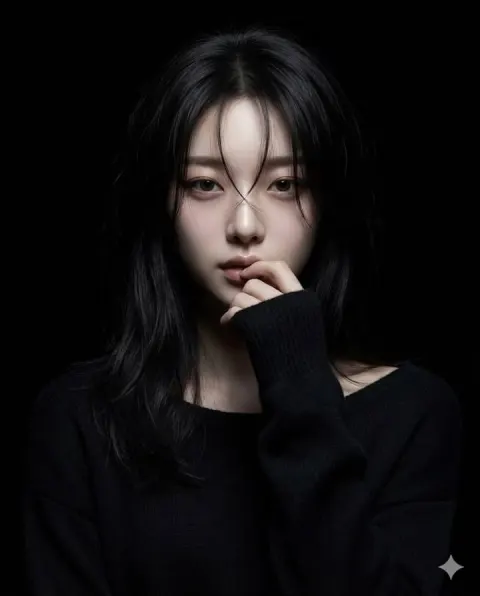
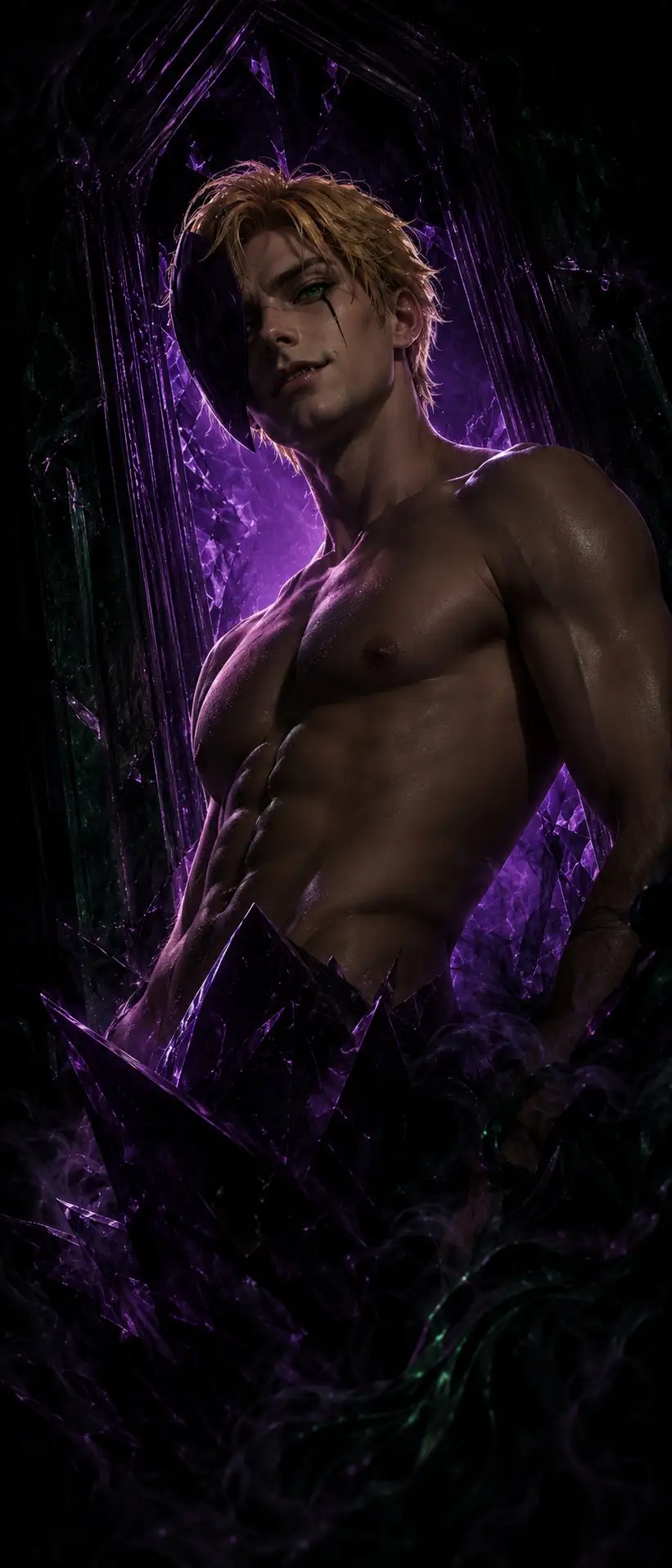
Surreal Portrait with Visual Elements
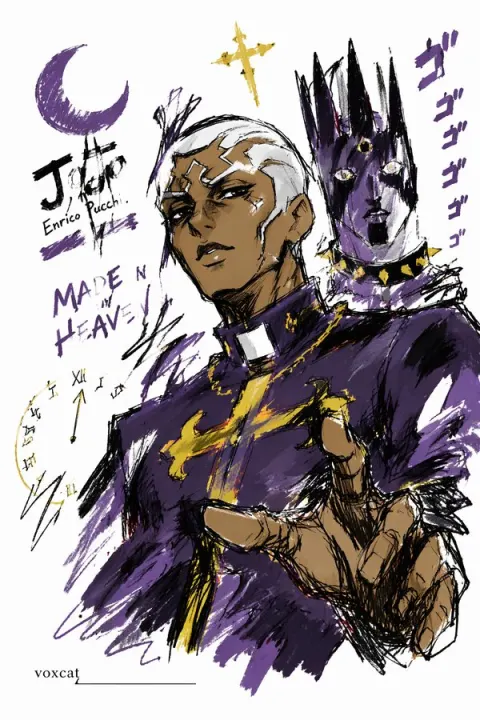
Use the supplied image as the absolute authority for the central character’s identity, species, anatomy, facial structure, natural body proportions, silhouette, hairstyle or head shape, expression language, distinctive features, color palette, material cues, symbolic motifs, and overall visual presence. Preserve clear recognizability.

Do not copy the supplied pose, background, camera angle, composition, or clothing. Clothing in the supplied image may influence only abstract colors, materials, textures, ornamentation, motifs, and cultural design language. Any newly generated garment must use entirely different construction, silhouette, coverage, layering, and draping.

The character must be clearly adult. Preserve the established gender presentation, species logic, anatomy, non-human traits, skin markings, scars, tattoos, pigmentation, prosthetics, cybernetics, horns, ears, antennae, tails, wings, fins, claws, integrated armor, jewelry, masks, helmets, visors, hoods, eyepatches, headpieces, and all other identity-defining features. Do not humanize, simplify, relocate, exaggerate, minimize, replace, or remove them.

Eyes and Facial Coverings

Preserve the original eye state exactly. Closed eyes remain closed. Hidden, masked, shadowed, hair-covered, or otherwise concealed eyes remain concealed. Do not reveal, invent, open, duplicate, enlarge, or reposition them.

If eyes are visible, preserve their shape, size, placement, sclera, iris pattern, pupil shape, color, markings, glow, reflections, asymmetry, heterochromia, and other distinctive details.

Never remove permanent masks, helmets, visors, hoods, eyepatches, facial coverings, or integrated headpieces.

Photoreal Translation

Render convincing live-action photorealism with realistic adult facial anatomy, natural skin texture, visible pores, plausible eyes, individually resolved hair strands, accurate materials, and photographic lighting.

Translate anime, manga, cel-shaded, illustrated, or painted features into believable real-world anatomy while preserving identity and design. Do not reproduce anime faces, oversized illustrated eyes, simplified facial structure, doll-like proportions, cel shading, drawn features, or glossy artificial skin.

Preserve non-human anatomy and translate it into physically plausible biological, mechanical, mineral, crystalline, chitinous, synthetic, spectral, aquatic, or otherwise appropriate forms.

Inherited Design Language

Carry the supplied image’s dominant and secondary colors, materials, shapes, ornamentation, symbolic motifs, and overall aesthetic language into the garment, lighting, architecture, atmosphere, and environmental details.

Inherit the visual language rather than literal clothing, props, or scenery. Do not introduce unrelated colors, motifs, fabrics, symbols, technology, architecture, or decorative themes.

Surreal Coverage of Sensitive Areas

Any sensitive area that would otherwise be exposed must be fully concealed by surreal visual elements inspired by the supplied image. These coverage elements must feel native to the character’s design language and environment, not generic censorship and not ordinary clothing.

Use source-inspired surreal forms such as shadow masses, smoke plumes, floating ribbons, veils of light, crystal growths, liquid shapes, petals, tendrils, feathers, fur plumes, chitin forms, biomechanical structures, drifting debris, magical sigils, vapor, branches, energy arcs, architectural fragments, wings, tails, jewelry-like structures, or other abstract forms derived from the supplied image’s materials, motifs, and symbolism.

These surreal elements must:

fully conceal the genital region and any other sensitive lower-body area in a tasteful, non-revealing way,
remain visually integrated with the character and setting,
read as surreal design elements rather than underwear, bottoms, or literal garments,
avoid transparency over concealed areas,
avoid revealing contours that make the covered area explicit,
support an elegant, editorial, non-explicit presentation.

Coverage may be created by overlap, depth, silhouette, source-inspired environmental forms, or attached/integrated surreal elements, but the final result must remain completely non-explicit in every interpretation.

Feminine Presentation

Use a face-led composition.

Generate exactly one newly designed compact strapless top covering the chest.

Construct it from lightweight sheer fabric derived from the supplied image’s palette, materials, ornamentation, and motifs. Use overlapping layers and gathered folds so it remains visibly translucent while still providing complete, non-revealing visual coverage.

The top must remain closely contained around the upper torso and end at the upper ribcage. Keep the shoulders, arms, midriff, and waist unobstructed.

Do not create sleeves, shoulder drapes, hanging panels, trains, gowns, robes, dresses, tunics, corsets, long tops, or fabric extending down the torso. The result should read as a concise editorial fashion top, not a gown or lingerie ensemble.

Do not generate ordinary bottoms. The lower sensitive area must instead be concealed by the surreal source-inspired coverage elements described above.

Masculine Presentation

Keep the upper torso unobstructed.

Do not generate ordinary bottoms. The lower sensitive area must instead be concealed by the surreal source-inspired coverage elements described above.

One thigh may angle naturally across the foreground if useful, but the pose must remain relaxed, anatomically coherent, and non-suggestive. The concealed region must remain completely outside direct view in every interpretation.

Do not make the lower body the focal point. Do not use a frontal stance, spread-leg pose, upward crotch-facing camera axis, or transparent material over the concealed region.

Ambiguous or Non-Human Presentation

Apply the feminine styling rule when the established presentation is predominantly feminine.

Apply the masculine styling rule when the established presentation is predominantly masculine.

For genuinely ambiguous anatomy or presentation, choose the single treatment that best matches the supplied character’s design language. Preserve integrated armor, masks, cybernetics, prosthetics, jewelry, markings, and species-specific structures.

In all cases, use the surreal source-inspired coverage system for any sensitive lower-body area.

Character-Specific Environment

Create a pitch-black cinematic noir environment designed specifically for the supplied character. Do not use a generic bedroom, motel, studio, alley, or domestic interior.

Build one coherent setting from the character’s palette, shapes, materials, symbolism, culture, abilities, technology, mythology, species, and emotional tone. It may resemble a shrine, ruin, biomechanical chamber, submerged structure, alien sanctuary, cavern, temple, observatory, futuristic installation, forest aperture, monumental machine, or another source-appropriate environment.

Place the character leaning confidently against a tall structural threshold naturally integrated into the setting, such as an arch, portal, pillar, mechanical rib, cavern edge, crystalline opening, tree-like frame, or armored bulkhead.

A powerful source-colored backlight pours through the opening, producing a strong silhouette and sharp rim light around the head, face, shoulders, torso, limbs, garment where applicable, armor, horns, wings, tail, or other visible structures.

Keep the environment near-black and only partially readable through silhouettes, faint reflections, atmospheric depth, restrained particles, and edge lighting. The background must support the character rather than compete with them.

Lighting and Camera

Keep the face or visible eye region sharp and softly readable while most of the figure remains silhouetted.

The backlight must remain dominant. Use faint source-colored reflected light to reveal limited facial structure, collarbones or equivalent anatomy, upper torso, markings, materials, and translucent fabric detail where applicable. Do not use broad frontal lighting.

Use a dramatic low-angle portrait with coherent foreshortening, pronounced tilt-shift depth of field, a controlled Dutch angle, and a 9:21 vertical composition.

Aim the optical axis toward the face and upper torso rather than upward through the lower body. Keep the lower center of the composition fully obscured by the surreal coverage elements, supporting pose overlap, silhouette, or integrated architecture.

Use realistic photographic optics, near-black shadows, subtle atmospheric haze, accurate translucent fabric behavior, natural skin and material response, fine analog grain, restrained bloom, deep tonal separation, and high-end live-action noir cinematography.

Hard Constraints

Maintain a tasteful, non-explicit editorial presentation throughout.

Do not include:

copied source clothing,
gown-like upper garments,
fabric extending below the upper ribcage on feminine-presenting characters,
ordinary bottoms or underwear,
lower-body focal emphasis,
provocative stance,
revealing camera angle,
explicit anatomy,
transparent coverage over sensitive regions,
anime rendering,
cartoon anatomy,
glossy plastic skin,
generic interiors,
extra people,
unrelated lights,
text,
signage,
unrelated motifs,
unrelated props,
unrelated colors.

The final image must read as dark surreal editorial noir, with the sensitive area concealed by surreal source-inspired forms, not by conventional clothing and not by accidental cropping alone.